In daily life, breathing is mostly automatic. We may only notice it when we feel anxious, tired or rushed. Yoga brings attention back to the breath. By observing its rhythm and guiding it gently, we can become more aware of the body and the present moment.
Why does the breath matter?
In a kriya, movement and breath are often joined in one rhythm. This gives the practice structure and helps attention remain with what we are doing. At other times, breath is the main exercise: we sit quietly, observe the inhale and exhale, or use a particular breathing technique.
The aim is not to produce a “correct” feeling. Breath helps us notice what is present: whether it feels free or tense, deep or shallow, even or hurried. This observation is itself a practice of awareness.
You do not need to breathe more or push harder. What matters is breathing consciously and without force.
Five pranayama breathing techniques
Begin with the simplest practice and never force the breath. The suggested times are guides rather than goals — a calm, even breath matters more than duration.
01
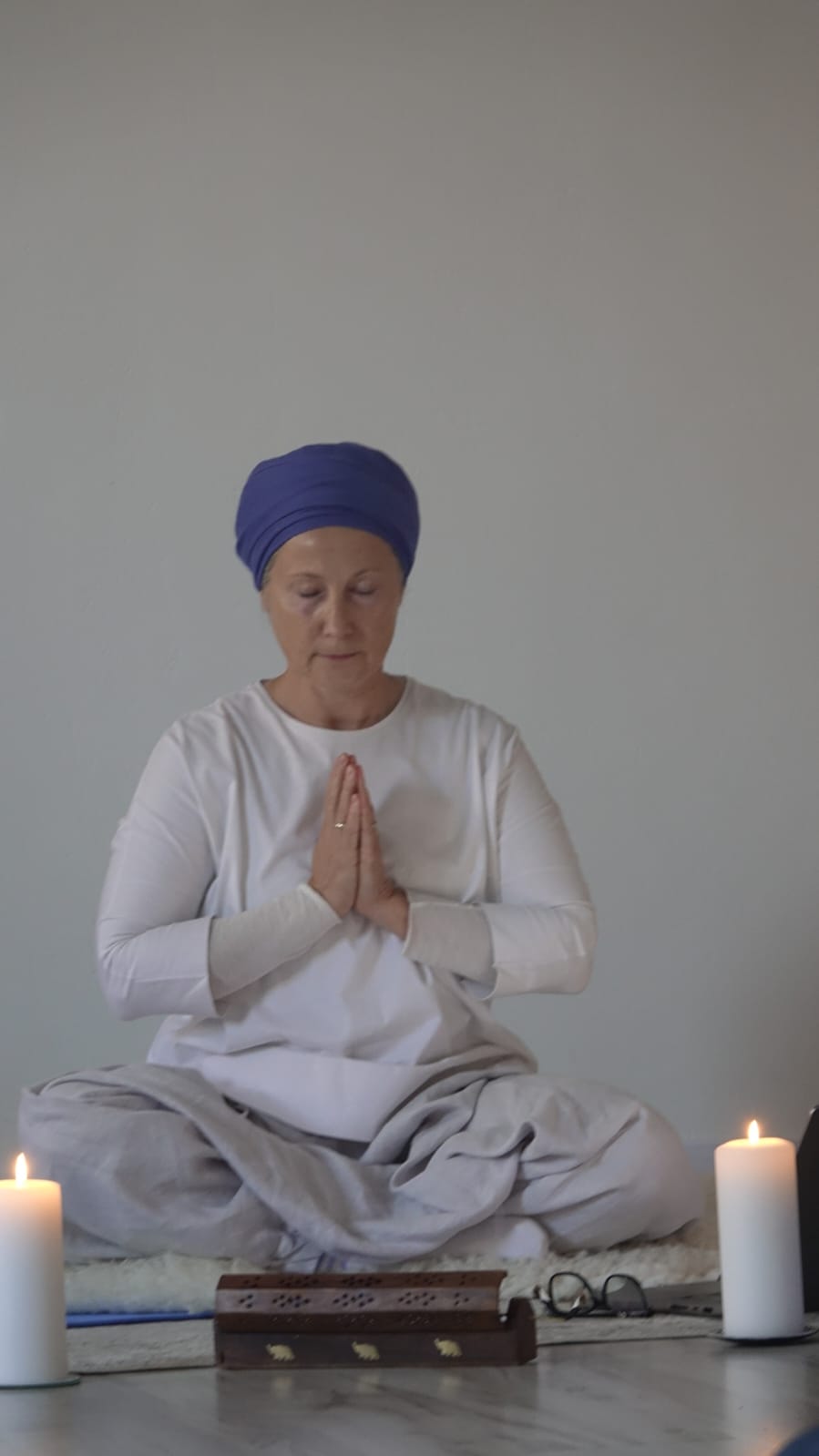
Long Deep Breathing
A gentle technique and the easiest place to begin.
- Sit comfortably and lengthen your spine without strain.
- Inhale through the nose, expanding the belly, then the ribs and chest.
- Exhale in reverse: chest, ribs, then belly.
Time: begin with 1–3 minutes.
Instructions at 3HO ↗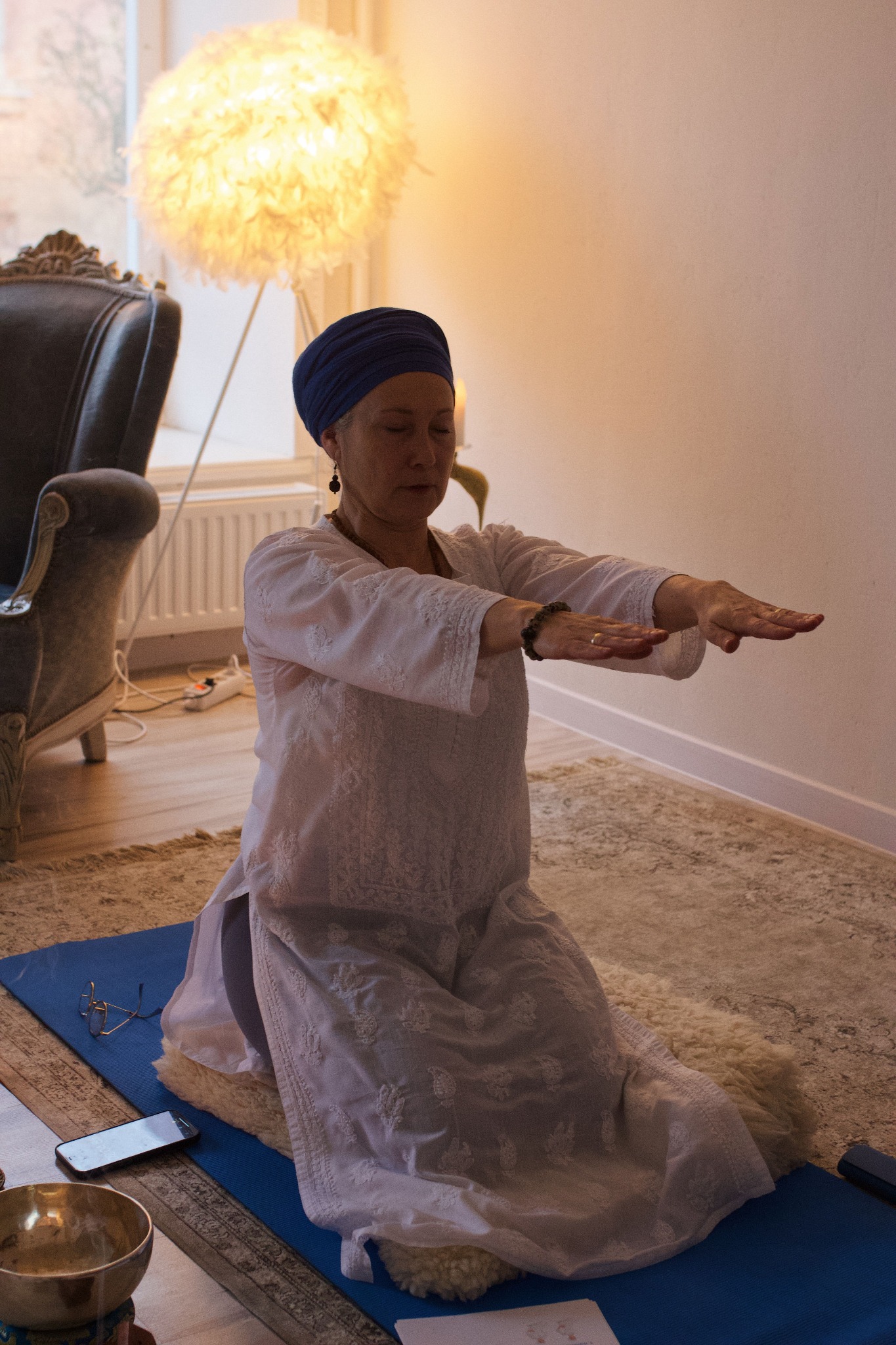
02
Breath of Fire
A quick, even breath through the nose with an active exhale.
- Keep the mouth closed and the face and chest relaxed.
- On the exhale, gently draw the navel area in and up.
- Release the belly so the inhale arrives passively; keep an even rhythm.
Time: learn with a teacher; begin with 30 seconds.
Do not practise during pregnancy. Stop and return to natural breathing if you feel dizzy or unwell.
Instructions at 3HO ↗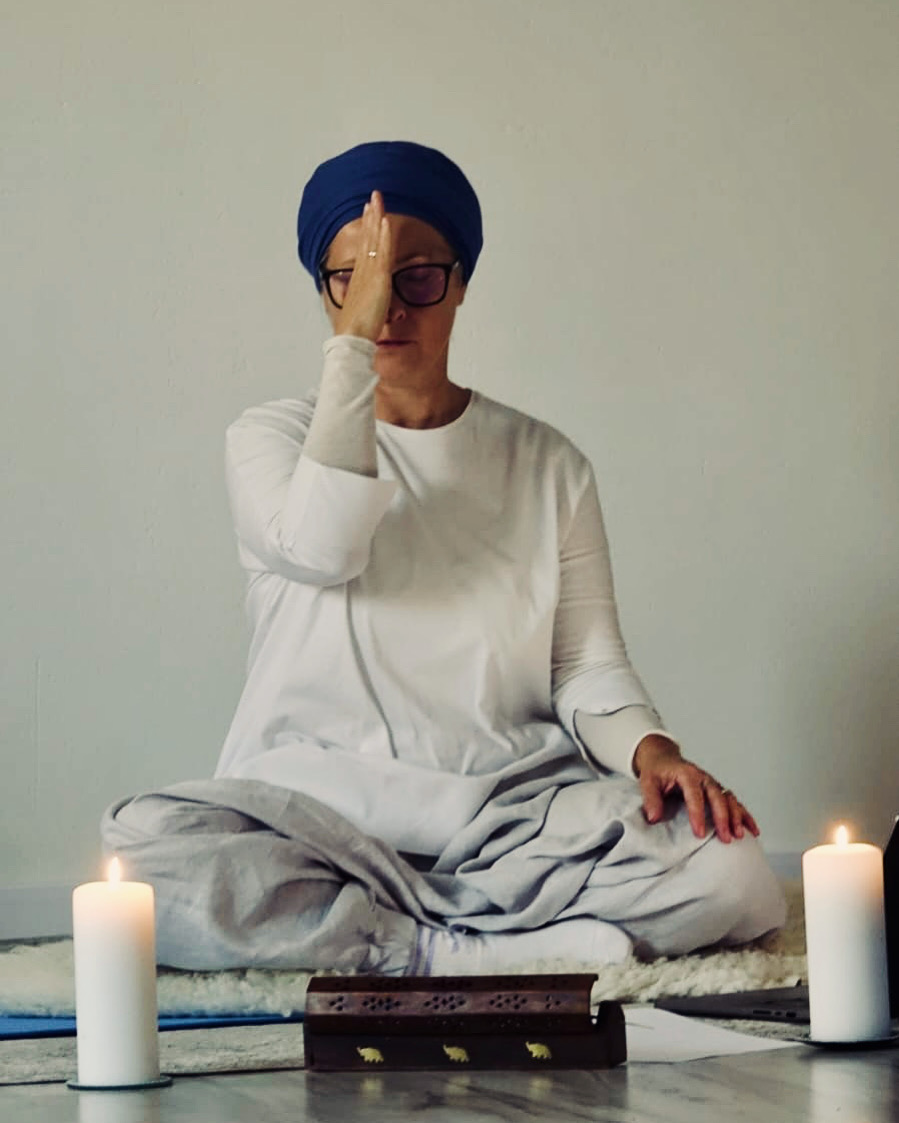
03
Alternate Nostril Breathing
Nadi Shodhana — a smooth breath that alternates nostrils.
- Close the right nostril with your right thumb and inhale through the left.
- Close the left, open the right and exhale; then inhale through the right.
- Change sides again and exhale through the left. This completes one cycle.
Time: 3–5 minutes at an even pace.
Pranayam guide at 3HO ↗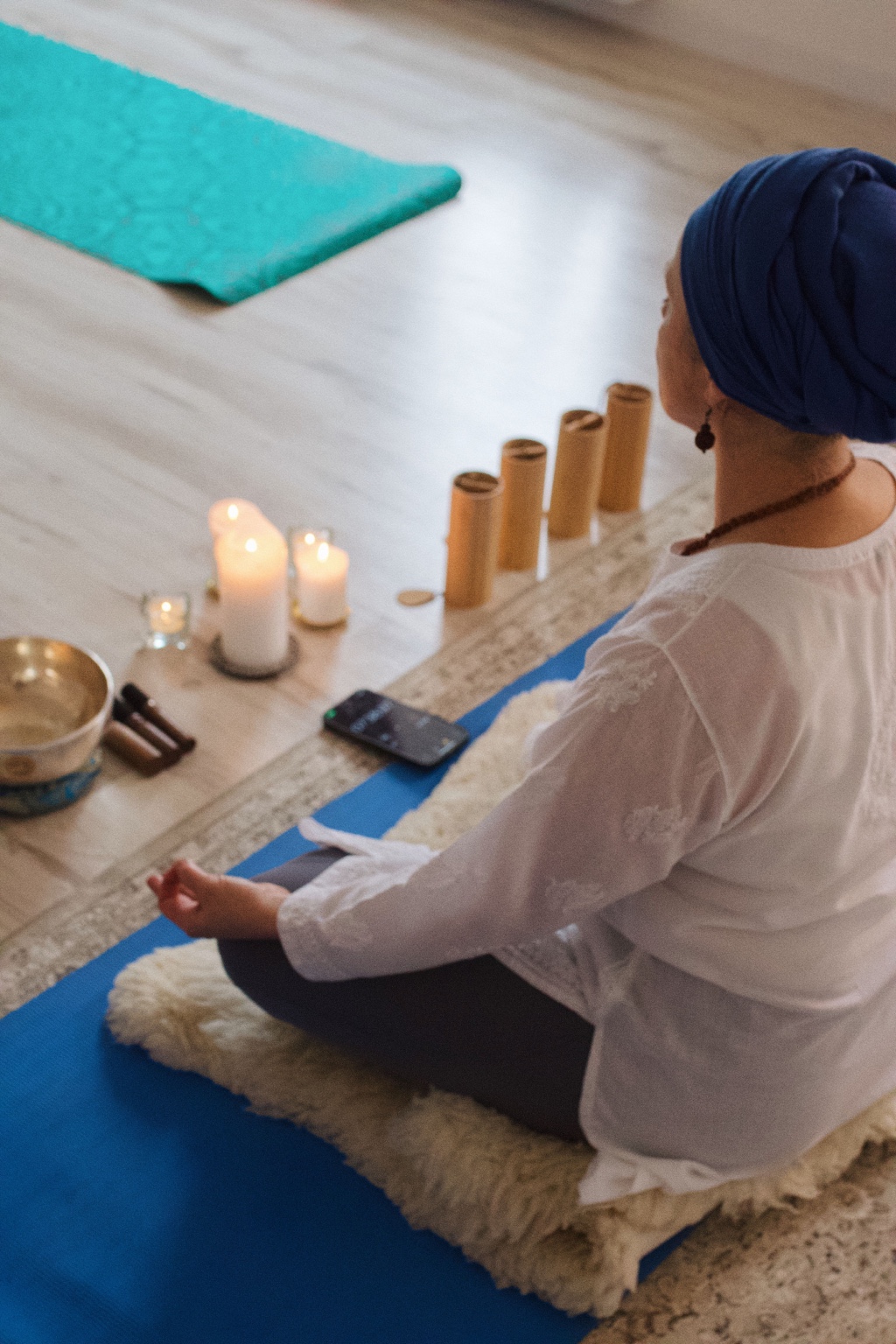
04
Sitali Breath
Inhale through a curled tongue and exhale through the nose.
- Extend your tongue and, if you can, curl it into a tube.
- Inhale slowly through the tongue, noticing the cool airflow.
- Draw the tongue in, close the mouth and exhale gently through the nose.
Time: 1–3 minutes.
If your tongue does not curl, inhale across lightly closed teeth instead (Sitkari).
Instructions at 3HO ↗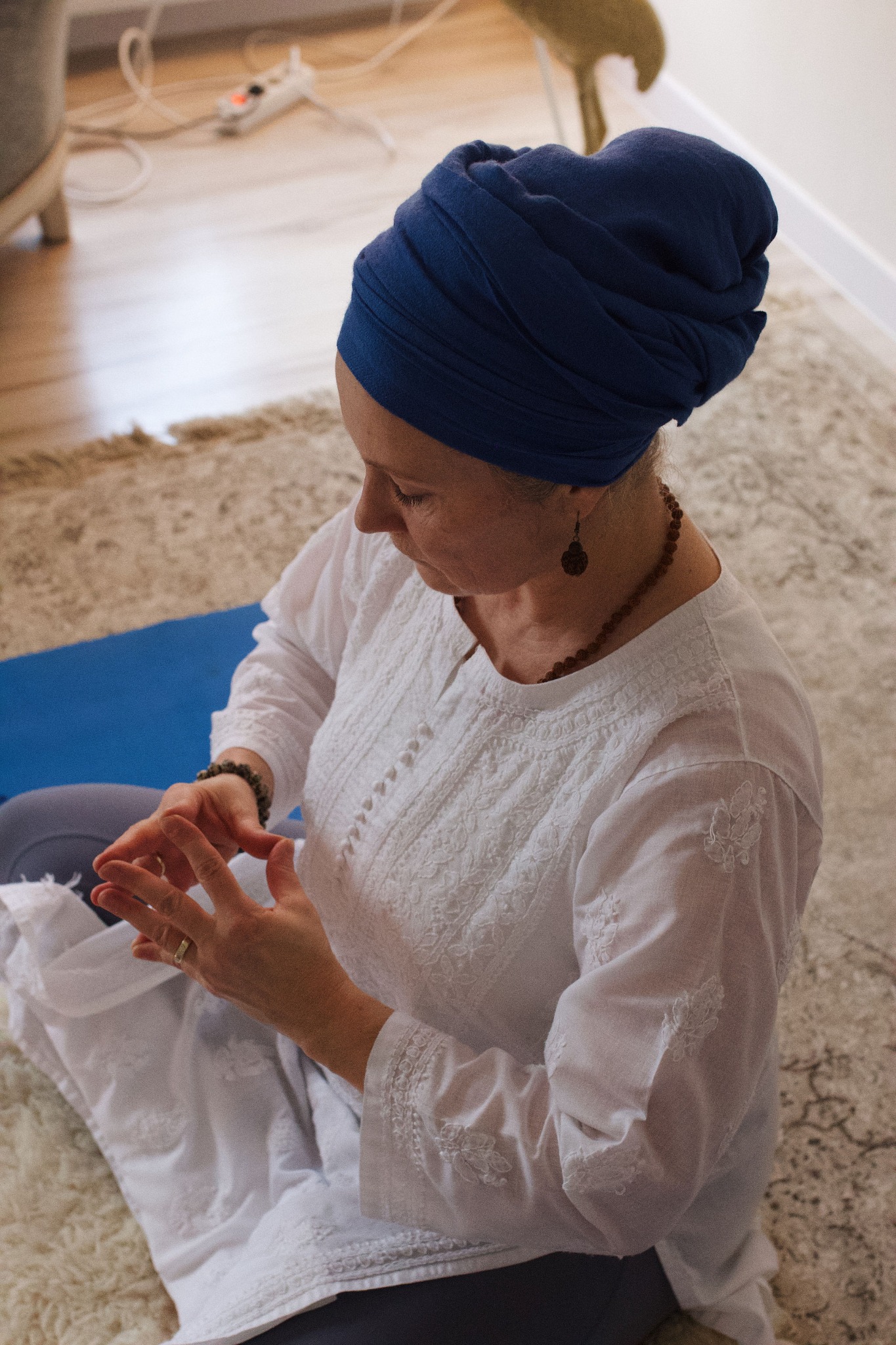
05
One-Minute Breath
An advanced technique with an equal inhale, hold and exhale.
- Begin with a 10-second inhale, 10-second hold and 10-second exhale.
- With experience, gradually progress to 15–15–15.
- The classic 20–20–20 cycle is intended for experienced practitioners.
Never force a breath hold. During pregnancy or with health concerns, choose a practice without retention.
Instructions at 3HO ↗Where to begin at home
Sit comfortably with your spine naturally lengthened. Rest your hands on your belly or knees and close your eyes for a moment. Inhale slowly through the nose and feel the belly gently expand. Exhale just as calmly, allowing the belly to soften. Continue for one to three minutes without hurrying.
If it feels comfortable, you may let the exhale become slightly longer than the inhale. If you feel dizzy, uncomfortable or short of breath, return to natural breathing and rest.
Practising safely
Breathing should remain free from pain and force. Intense techniques, prolonged breath retention and very rapid breathing are not suitable for everyone and should not be practised alone until safe technique is clear.
Breath of Fire and breath retention are generally avoided during pregnancy. If you have a heart or lung condition, uncontrolled high blood pressure, epilepsy, recent surgery or another health condition that can affect breathing, consult a healthcare professional before active breathwork and let your teacher know.
Breath as a way back to yourself
The breath is always here. Even a brief pause to feel one calm inhale and exhale can become a small return to yourself. With time, the awareness cultivated on the yoga mat can naturally enter daily life as well.